By Abdulkareem Haruna
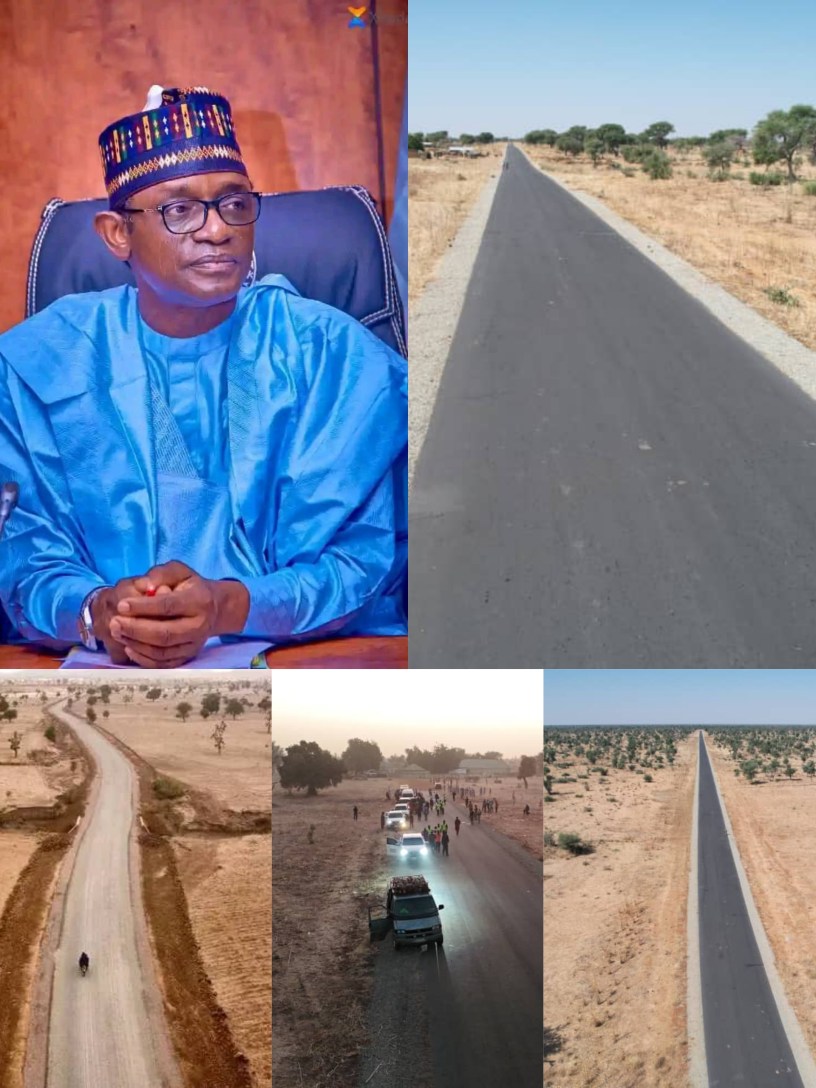
For 35 years, Sa’idu Malam’s community in Fika, Yobe State, lived in isolation. Despite decades of appeals to successive governments, their requests for a road were met with total silence – until now.
“You might not fully appreciate how we are feeling now unless you experienced our previous difficulties,” Sa’idu says, his voice thick with the memory of the “rugged nature” of the old access path.
Before the Daya-Fadawa road was constructed, life was measured in hours of struggle. A trip that now takes 30 minutes used to take more than three hours of a traveler’s life. For farmers, it was a gauntlet. Perishable crops – the lifeblood of the rural economy – often rotted in the sun while carts remained axle-deep in marshy mud.
The Human Cost of Isolation
Sa’idu recounts one particular afternoon that haunts him. He was struggling to salvage a bag of fertilizer that had fallen off his bicycle into the sticky mud of the swampy road when he saw a family approaching on a motorbike: a man, his younger brother, and his pregnant wife.
“The wheels of their motorbike became stuck in the mud, causing them all to fall,” he recalls. “After moments of struggle, the man had to abandon his bike. He lifted his wife onto his back and waded through the deep mud.”
In that moment, the lack of a road wasn’t just an inconvenience; it was a threat to life. Taking the ill to the hospital was “nearly impossible,” turning a manageable medical issue into a life-or-death gamble against the terrain.
The transformation Sa’idu is witnessing is part of a massive infrastructure drive led by Governor Mai Mala Buni. In just under six years, the administration has moved to bridge the gap between the isolated “hinterlands” and urban markets.
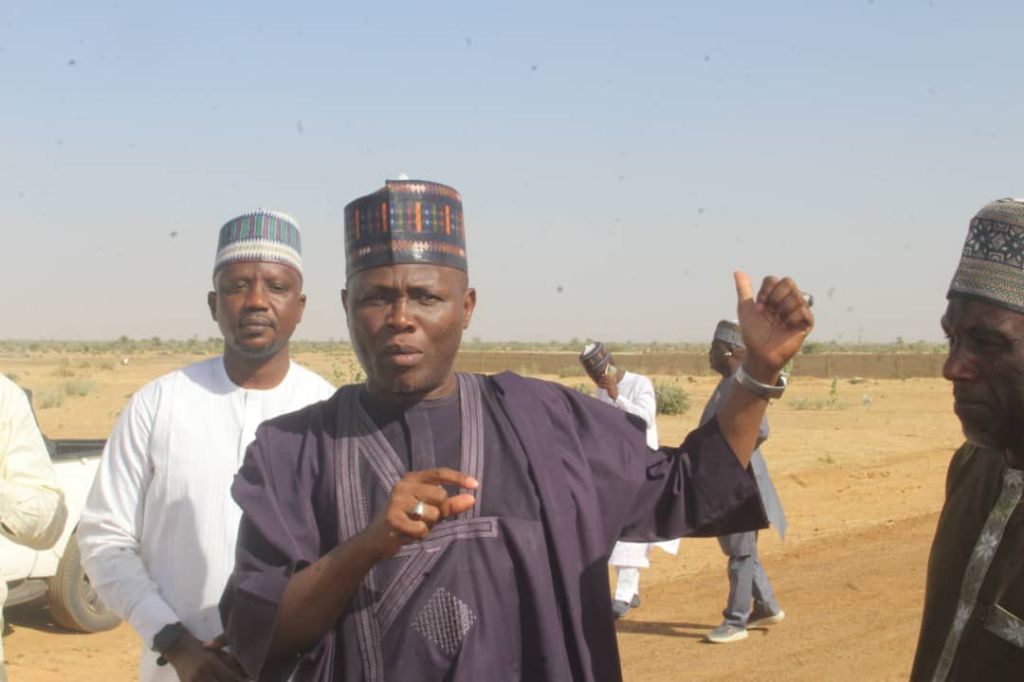
The scale of the project is staggering. Across Yobe, 131 urban and rural road projects are either completed or underway. The goal is simple but ambitious: connectivity that empowers the farmer and fuels the trader.
In the state capital, Damaturu, where a gigantic multi billion overhead and under pass bridge has risen beyond its 70% stage of completion, the change is visible at every turn. Once-dusty paths in Mallum Matari and the Zannah Zakariya Estate have been replaced with asphalt and proper drainage, turning the town into one of the most networked hubs in the region.
Major Urban and Landmark Projects
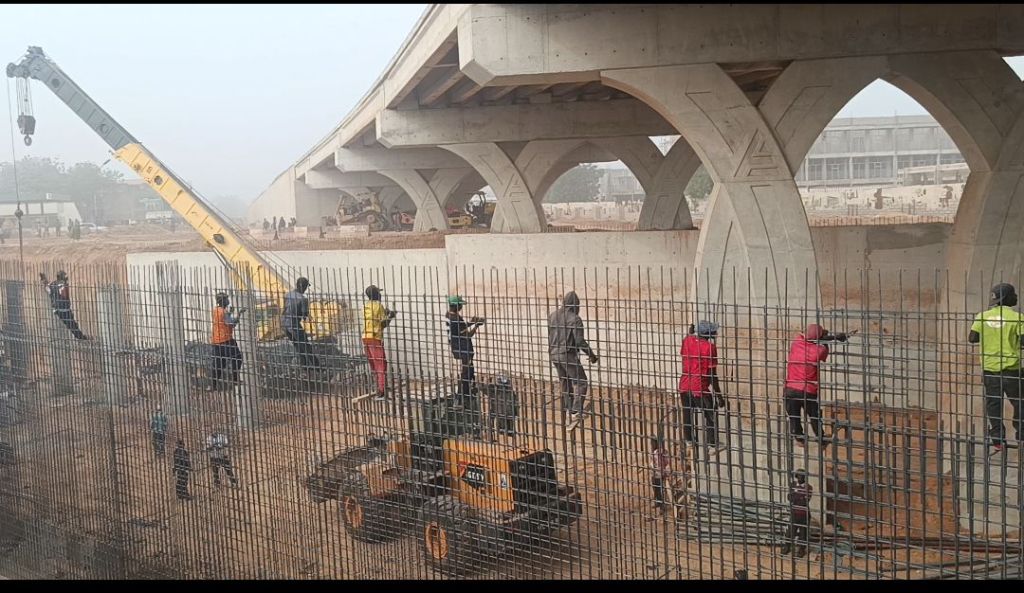
- Damaturu Flyover and Underpass (Main Roundabout): This landmark project is at an advanced stage and is expected to be completed by March 2026.
- Damaturu – Gambir Road: This project is ongoing; earthwork is finished and asphalt overlay is currently being applied.
- Damaturu Metropolis Ring Road: A massive project involving the construction of 23.5km of new roads and 27km of concrete drains, alongside resurfacing; this is currently in progress.
- Pilgrims Roundabout to Stadium Roundabout (Three-lane Dual Carriageway): This urban renewal project is scheduled/ongoing as part of the 2026 development drive.
- Damaturu Township Roads (23 specific routes): Most are completed, including the Mallum Matari, Nyanya Link, and Zannah Zakariya Estate roads.
Inter-Town and Regional Highways
- Nguru – Gashua – Bayamari Road: Section I Phase II and Section II Phase I were recently completed and commissioned in early 2026.
- Damagum – Gubana Road (Phase 1): This project is completed.
- Ngelzarma – Mashio Road: Construction is ongoing with asphalt overlay work.
- Buni Gari – Teteba Road: This is one of the newly flagged-off projects for the 2026 fiscal year.
- Kaliyari – Bayamari Road: This reconstruction project is ongoing.
- Bayamari – Geidam Road: Currently under reconstruction.
- Kumagannam – Karasuwa Garun Guna Road: This is an ongoing construction project.
- Tashan Kalgo – Dagona Road: Currently under construction.
Rural and Agricultural Connectivity (RAAMP)
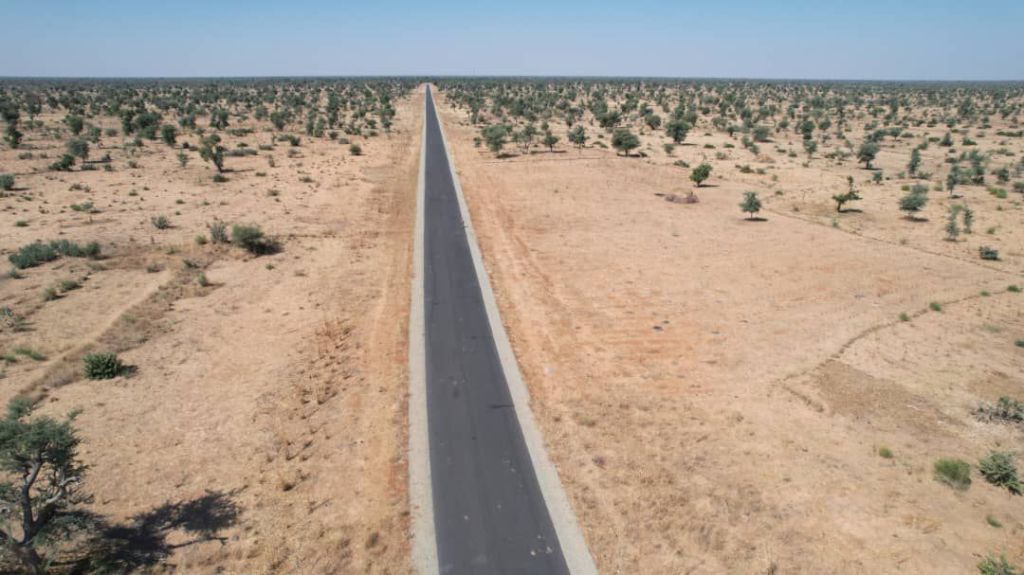
- Daya – Fadawa Road: This 35-year-old dream is now completed.
- Geidam – Bukarti – Dumbol Road: Construction is ongoing.
- Mashio – Alagarno and Mashio – Jajere: These projects are part of the active/new rural connectivity expansion.
- Balanguwa – Kumaganam Road: This project has been completed.
- Danchuwa – Jajere Road: This critical link is completed.
- Chumbusko – Tagali Road: This project is completed.
- Bara – Njibulwa and Kukuwa – Zango Roads: These are part of the upcoming/flagged-off rural projects for 2026.
- Guwa – Dogon Kuka Road: This project is completed.
It has to be noted that the township road networks are mostly completed or final stages.
- Gashua Township Roads: Extensive networks are completed.
- Potiskum Township Roads: Multiple projects, including the CAMTECH and Ari Kime roads, are completed.
- Geidam Township Roads: 15 distinct routes, including the Yau Mai Shayi and Bukar Kolo links, are completed.
- Buni Yadi, Nguru, and Jaji-Maji Township Roads: These are largely completed, with some drainage extensions ongoing.
The “road revolution” has touched nearly every corner of the state, from the borders of Niger to the southern plains.
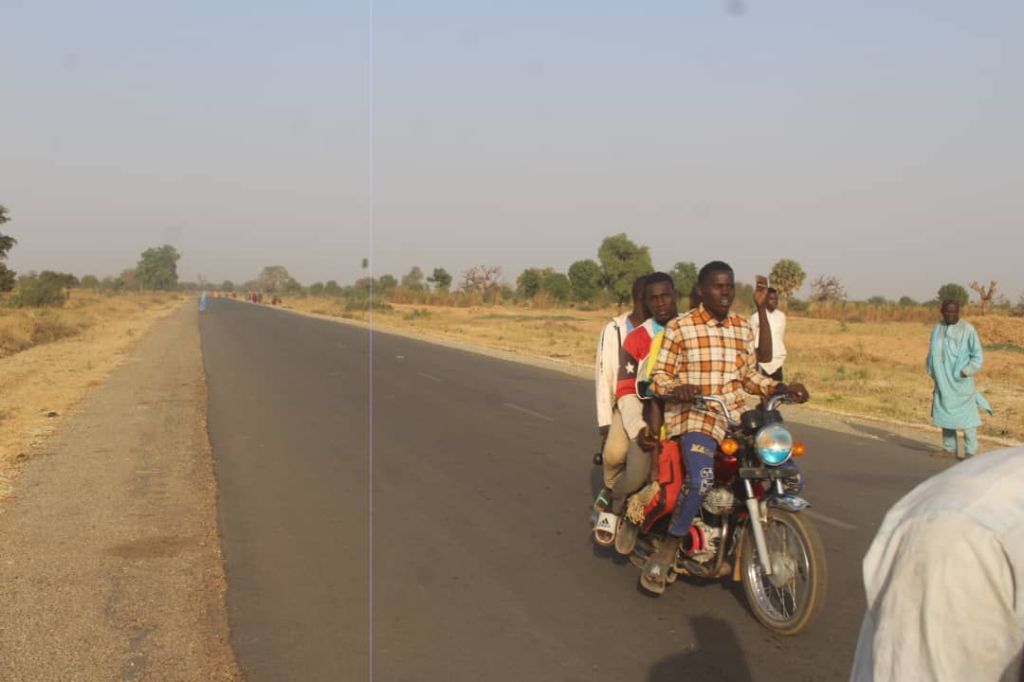
Beyond the Asphalt
Governor Mai Mala Buni’s vision for a more interconnected Yobe is coming amidst his administration’s massive push for agricultural mechanization. Beyond the asphalt, Governor Buni’s administration has flooded the state’s rural economy with modern tools – ranging from 140 Massey Ferguson tractors and 3,000 power tillers to solar-powered irrigation pumps and multi-purpose threshers. By shifting the state from “hoe-and-cutlass” subsistence to high-yield agribusiness, the government isn’t just making farming easier; it’s making it profitable.
Building the Value Chain
Also parallel to the road projects is a strategic investment in cottage industries and agro-processing. Partnerships, such as the recent MOU with Think-Lab Agroallied and the establishment of local sack-manufacturing plants, are designed to keep the “value” of Yobe’s crops within the state. Small-scale processing hubs for sesame seeds and oil extraction, flour mills, and livestock feed are springing up, turning raw harvests into finished goods.
The 131 road projects act as the circulatory system for this new industrial body, allowing raw materials to flow seamlessly from remote electoral wards to urban processing centers, effectively creating a “farm-to-factory” pipeline that was previously unimaginable.
The Connectivity Dividend
Ultimately, the synergy between 131 roads and agricultural investment creates a “connectivity dividend” that transcends simple transport. When a road trip from a community to the farming areas drops from three hours to thirty minutes, the cost of doing business will definitely go down. Middlemen who once cited “bad roads” to underpay farmers now face competitive local markets.
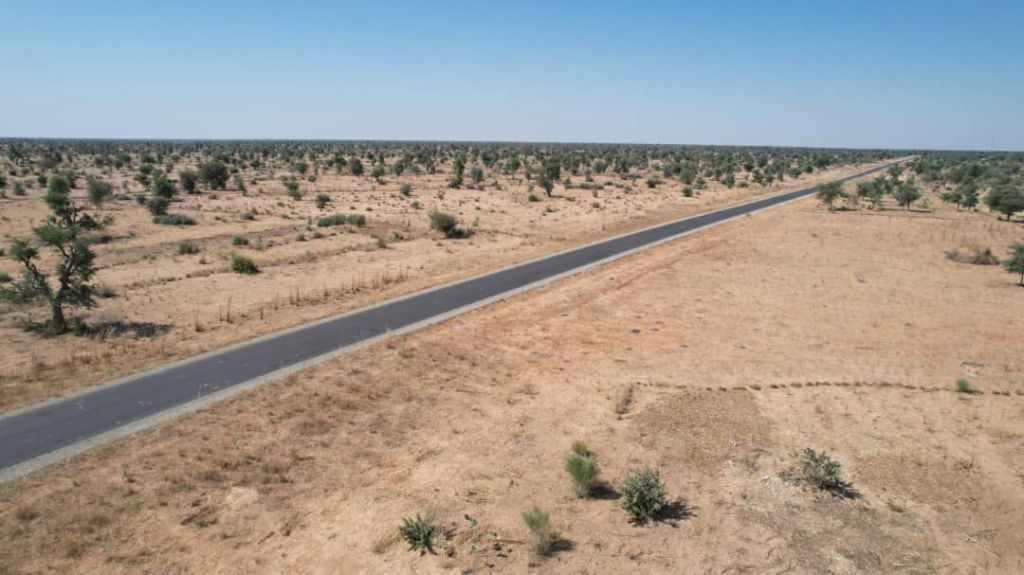
With easier access to subsidized fertilizers and improved seeds, and a reliable path to export these goods via standard highways like the Damaturu-Kalallawa link, Yobe’s citizens are moving from a state of survival to one of surplus.
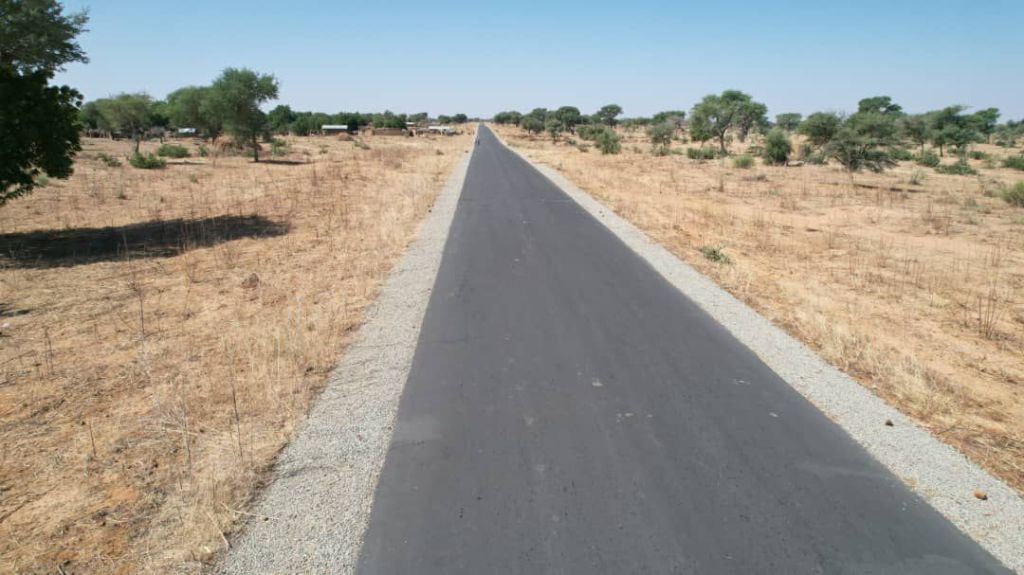
For Sa’idu and the thousands like him, the new roads mean more than just a faster commute. It means fertilizer reaching the farm dry. It means a pregnant woman reaching a clinic in a vehicle rather than on someone’s back.
“This road,” Sa’idu says, watching a truck speed past toward the market, “has come to wipe away the tears we have shed for many years.”
 The Humanitarian Times